
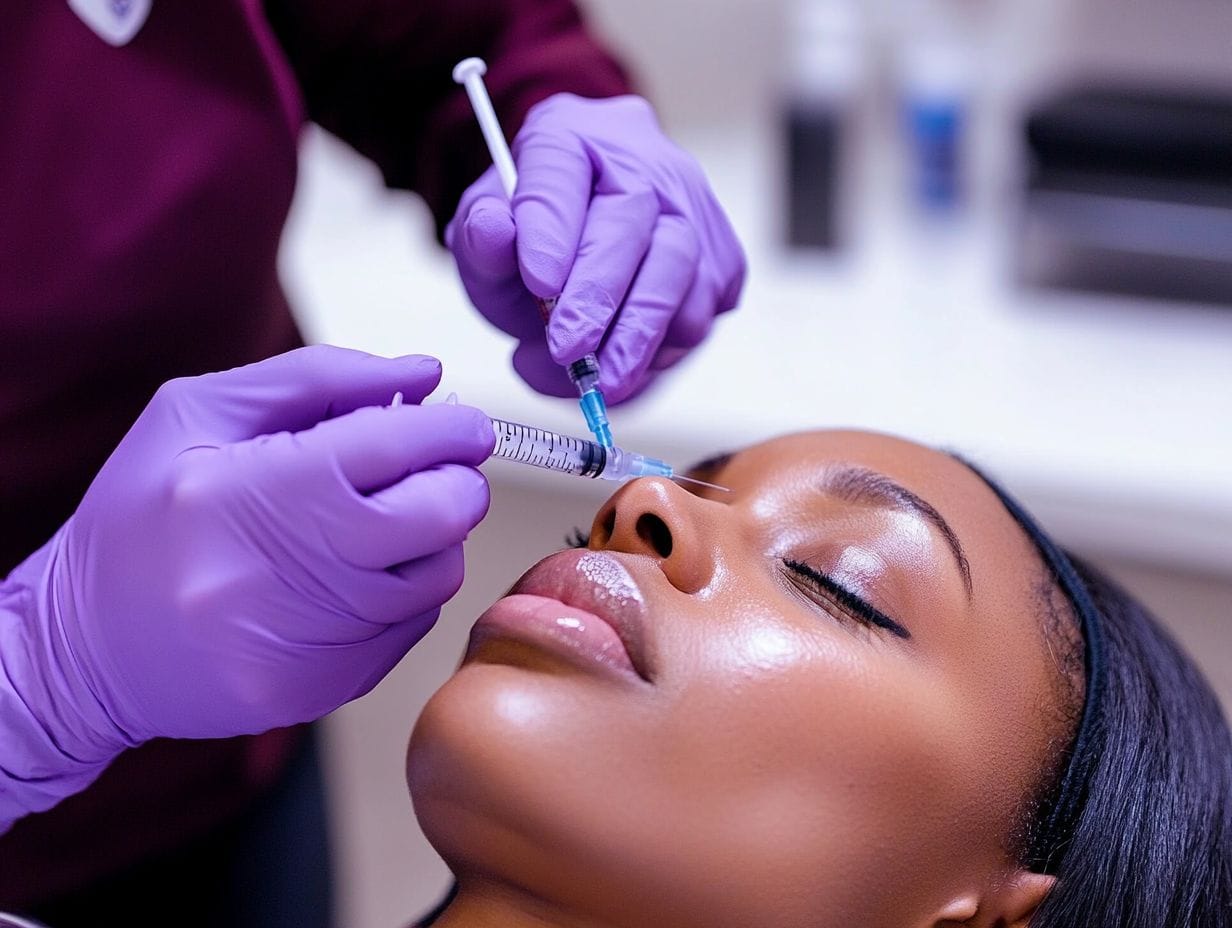
 Botox injections have emerged as a noteworthy treatment option for chronic migraines, offering patients substantial pain relief and enhancing their overall quality of life. Administered by specialised headache physicians, the botulinum toxin functions by interrupting the electrical nerve impulses that trigger migraine attacks, leading to a reduction in both the frequency and severity of headaches. This outpatient procedure is increasingly recognised as an effective alternative for individuals seeking respite from debilitating migraine symptoms.The mechanism of action involves the toxin specifically targeting the release of acetylcholine at the neuromuscular junction, thereby inhibiting the overactivity of pain pathways associated with headaches.Patients receiving Botox treatments typically undergo multiple injections at various sites around the head and neck, with a standard dose averaging between 155 and 195 units, adjusted to meet individual requirements. Treatment sessions are generally scheduled every 12 weeks, although the frequency may be modified based on the patient's response. Most individuals report significant improvements in their migraine symptoms after several sessions, enabling them to pursue a more active lifestyle free from the limitations imposed by chronic pain.
 The Bruxism Clinic Birmingham is dedicated to providing customised treatment plans specifically designed for patients seeking Botox treatment for chronic migraines. During the initial consultation, a comprehensive patient history is gathered, allowing healthcare professionals to formulate a treatment regimen that effectively addresses individual migraine triggers and symptoms.This process includes an in-depth assessment of the patient's medical background, lifestyle factors, and the frequency and intensity of their migraine episodes. Each patient's unique experience is meticulously analysed, ensuring that both the duration and nature of their symptoms are taken into account.Follow-up appointments are essential to this personalised care approach, enabling providers to monitor the treatment's effectiveness and make necessary adjustments based on patient feedback. This dynamic interaction fosters a collaborative environment where patients are encouraged to share their ongoing experiences, thereby enhancing the overall efficacy of the treatment plan.With a steadfast commitment to personalised medicine, the clinic continuously seeks opportunities for improvement, aiming to alleviate discomfort and enhance the quality of life for each individual.
 The Botox procedure for chronic migraines is generally conducted as an outpatient treatment by a qualified healthcare professional, ensuring a safe and efficient experience for patients. After the injection treatment, many individuals may begin to observe results within a few days, with peak effectiveness typically occurring over several weeks as the botulinum toxin takes effect.During the procedure, small doses of botulinum toxin are meticulously injected into specific muscle sites, often including the forehead, temples, and the back of the head, with the aim of reducing muscle tension and alleviating pain associated with migraines.Patients are usually encouraged to monitor their migraine frequency and intensity using a headache diary, which serves as a valuable tool in assessing the treatment's effectiveness over time.Follow-up appointments are typically scheduled approximately 12 weeks post-injection to evaluate progress and determine any necessary adjustments. Maintaining regular communication with healthcare professionals during this period is essential for the successful management of chronic migraines.
Chronic tension headaches and jaw clenching can significantly impact daily life, causing discomfort and frustration. Many people may not realise that bruxism, or teeth grinding, often plays a key role in these issues. This article explores the causes and symptoms of bruxism, its connection to tension headaches, and how innovative treatments like Botox can provide […]