
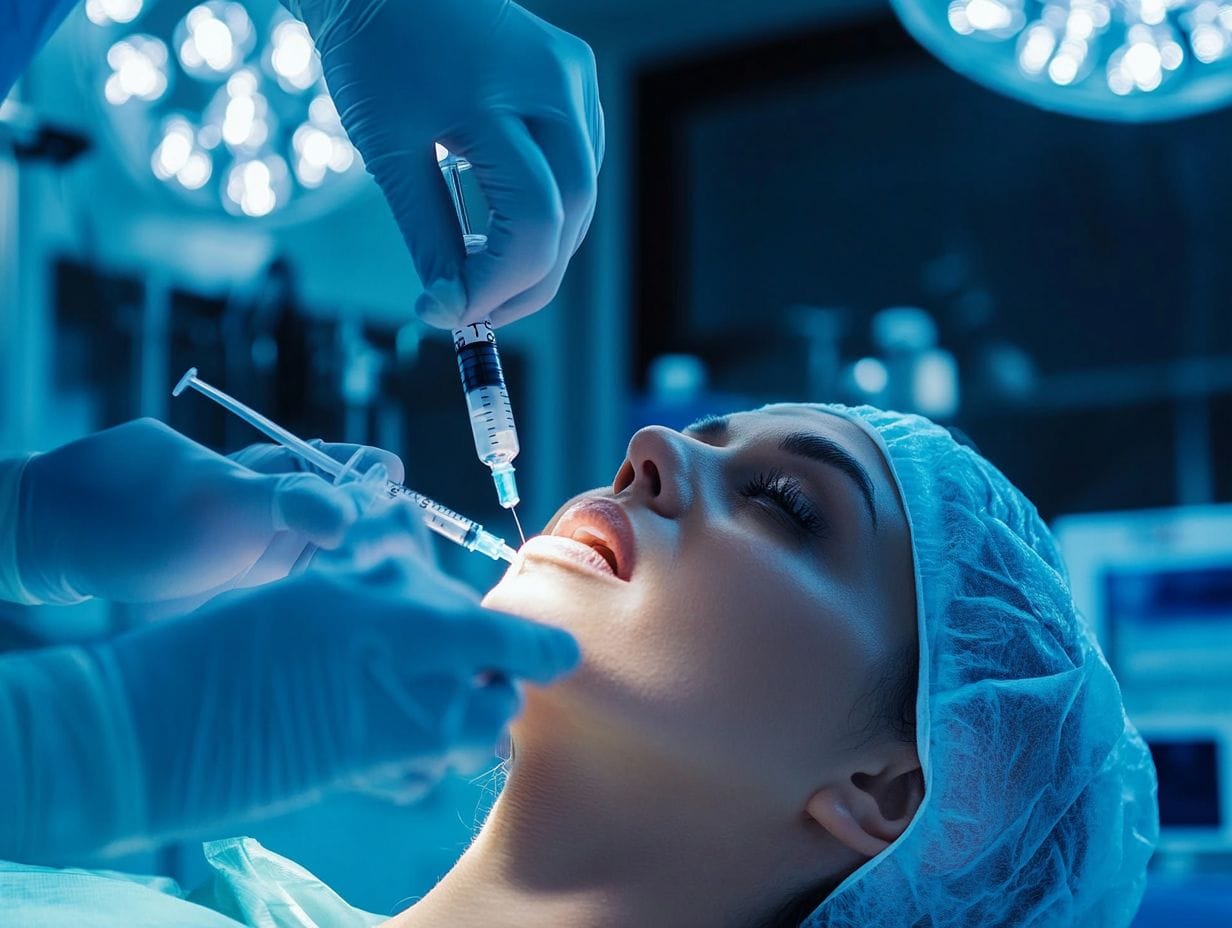
 TMJ disc repositioning surgery is a sophisticated procedure designed to rectify anatomical irregularities of the temporomandibular joint, which may result in joint dysfunction and considerable discomfort for the patient.This surgical intervention is typically considered when conservative treatments, such as physiotherapy, splints, or medication, have proven ineffective in providing relief. Indications for the surgery often encompass persistent pain, restricted jaw mobility, and chronic clicking or popping sounds during movement.During the procedure, the displaced disc within the joint is repositioned to restore normal function, thereby alleviating pressure on surrounding nerves and structures. While many patients report significant improvement in symptoms following the surgery, it is crucial to discuss potential risks, including infection, nerve damage, or complications associated with anaesthesia.Ultimately, successful outcomes are contingent upon thorough pre-surgical evaluation and the implementation of a customised recovery plan.
 The benefits of using
 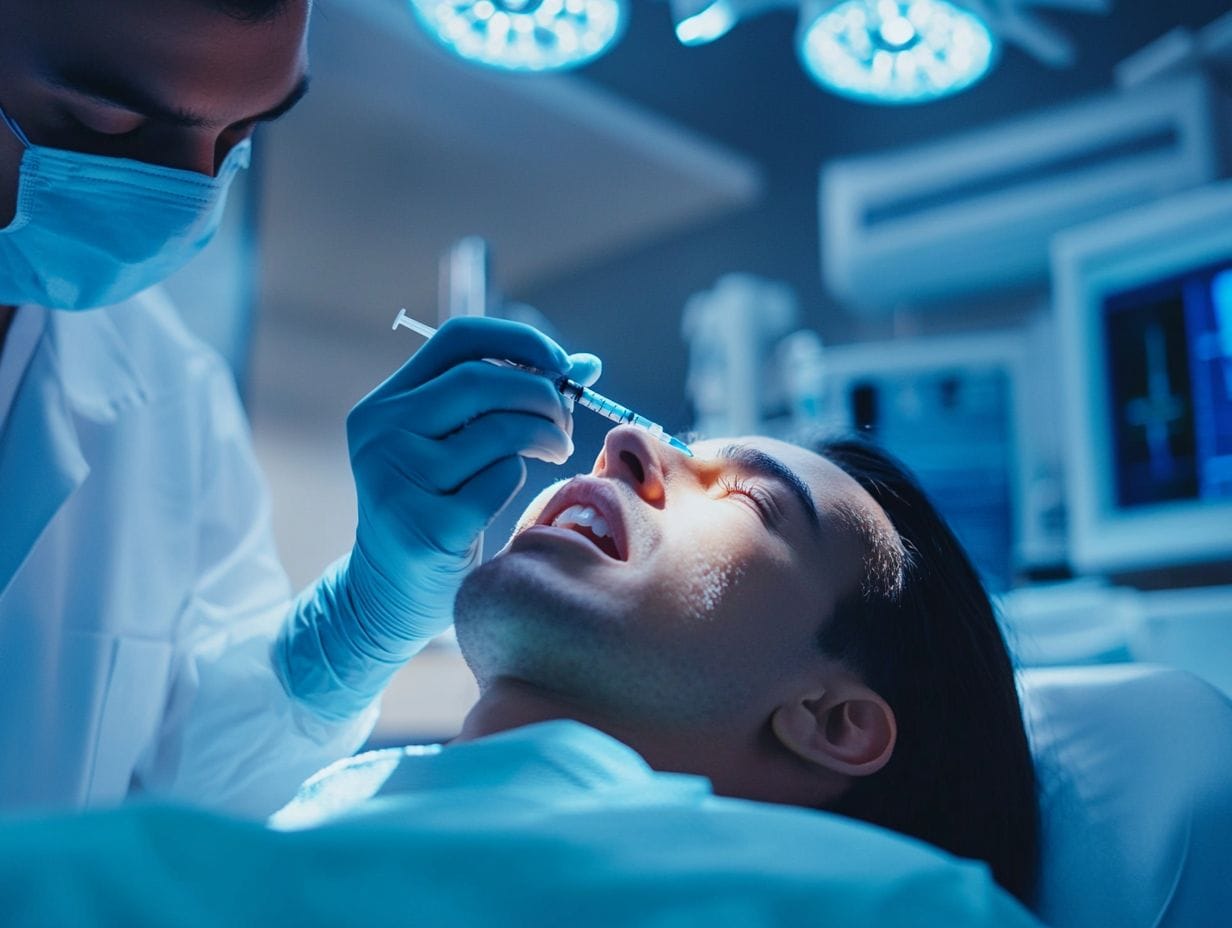 Personalised treatment plans for Botox injections are critical for achieving optimal outcomes in the management of bruxism, as they consider the unique needs and conditions of each patient, thereby enhancing treatment efficacy.By conducting a thorough assessment of factors such as the severity of symptoms, underlying health issues, and patient lifestyle, healthcare providers can develop a tailored approach that directly addresses the specific requirements of each individual. This level of customisation not only enhances the effectiveness of the treatment but also promotes trust and open communication between patients and providers, resulting in higher levels of satisfaction.Regular follow-up visits are essential for monitoring progress and making necessary adjustments, ensuring that the ongoing management of bruxism remains effective and responsive to any changes in the patient's condition.
Botox has emerged as an option for those struggling with TMJ pain, often linked to bruxism, or teeth grinding. This article explores the effectiveness of botox as a pre-surgery solution for managing TMJ pain. We will discuss its benefits, the treatment process, and long-term effects, while also comparing it to other options available for managing […]